
Blog
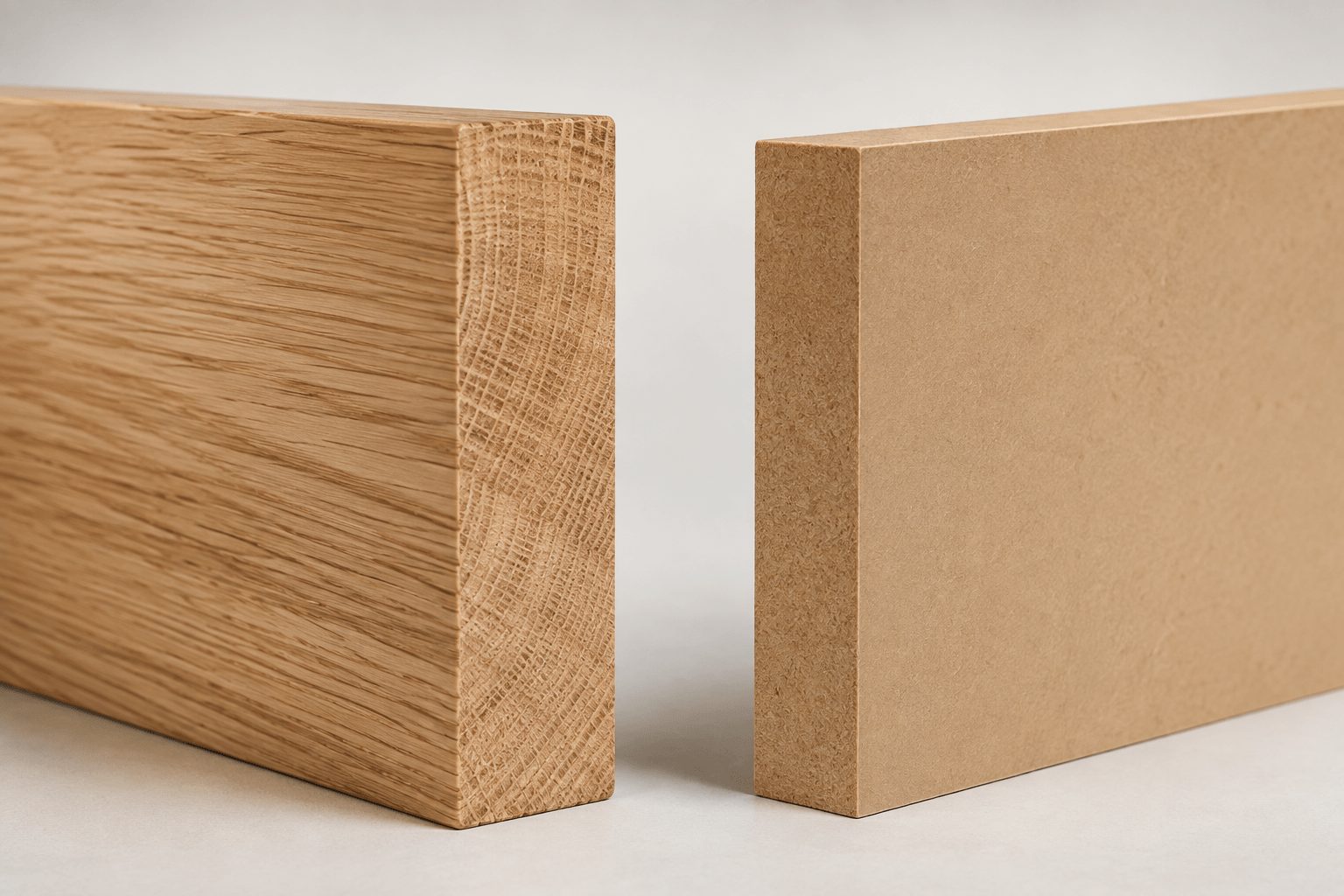
Solid wood or MDF for a HiFi rack?
There is rarely a universal solution when it comes to choosing between solid wood and medium-density fiberboard (MDF) for a HiFi rack. A HiFi rack must suit the actual equipment, the flooring, and how the room is used; therefore, making a good choice begins with a brief assessment of these factors, not with the color of the furniture.
Those wishing to compare suitable models will find a variety of designs in the “HiFi Racks” category. However, it is best to first establish your own requirements so that technical specifications can be meaningfully evaluated.
Evaluating solid wood for HiFi racks
Natural grain and repairable surfaces are advantages; wood can react to humidity and light. Material choice and load-bearing capacity should be evaluated separately. Whether a floor safely supports heavy equipment depends on its construction and the manufacturer’s specifications, not merely on whether it is made of wood, metal, or MDF. Atacama uses solid oak or bamboo.
Evaluating MDF as a HiFi rack shelf material
MDF is homogeneous and dimensionally stable, but it can be heavy and requires properly protected surfaces and edges. If future extensions are planned, check the availability of matching finishes. Natural materials may also exhibit visible variations in color and grain.
Understanding HiFi rack veneer
A genuine, thin layer of wood combines a wood-like appearance with a substrate material; aggressive processing should be avoided. Check the care instructions and the specific surface treatment, as two similar-looking materials can react differently to moisture, cleaning agents, or sunlight.
A brief checklist containing the truly relevant specifications helps here. This ensures the decision between solid wood and MDF for the HiFi rack remains transparent and allows for updates after a change of equipment without requiring a complete redesign.
Pay attention to the surface care of the HiFi rack
Oiled, lacquered, foil-wrapped, and veneered surfaces require different cleaning and repair methods. Also, evaluate edges, contact points, and connecting elements. These details often have a greater impact on daily use and durability than the material designation alone.
Verify stability based on the design
The material alone does not allow for a reliable assessment of load-bearing capacity or vibration characteristics; product specifications are crucial. Ensure that all equipment feet make full contact with the surface. Small contact areas can concentrate the load; additional plates or spikes should only be used if they are compatible with the system.
Choose a HiFi rack based on the desired level of aging
Natural patina, uniform lacquer finishes, and the potential for future repairs can be the deciding factors when choosing a material. For households with children or pets, scratch resistance, ease of cleaning, and durable edges are practical considerations; otherwise, a delicate surface might require an excessive amount of maintenance.
Conclusion: Plan the HiFi rack based on the system
When choosing between solid wood and MDF for a HiFi rack, the best solution is the one that suits your existing components and the room itself. By carefully checking dimensions, load capacity, airflow, and accessibility, you can objectively compare different rack options and minimize the need for improvisation later on.
Frequently asked questions about solid wood vs. MDF for HiFi racks
Is MDF inherently inferior?
The material alone determines neither load-bearing capacity nor quality. Design, base thickness, connection points, and surface treatment should be evaluated alongside maintenance requirements and interior style.
Which material supports more weight?
The load capacity specified by the manufacturer for the specific shelf level is the decisive factor, not a visual assessment. Calculate the actual weight of the equipment—including any bases or accessories carried with it—and allow for a reasonable margin.
How important is surface sealing?
This depends on the ambient light, flooring, wall color, and appliance fronts. Whenever possible, examine samples in natural light and only then decide whether contrast or a subtle, integrated look is a better fit.
Further guides on HiFi rack materials
- HiFi rack made of wood or metal? – Compare wood and metal in terms of appearance, construction, and maintenance.
- HiFi rack made of bamboo, oak, or walnut? – This is how the color effect, grain, and impact on the living environment differ among various wood species.
- Caring for your HiFi rack: wood, metal, and glass – how to treat oiled, lacquered, veneered, and other surfaces according to their material.


